- willbt
- snow slingers
- Creative Solutions for Bouncy Bombs and Hacksaw Techniques in DIY Projects
Creative Solutions for Bouncy Bombs and Hacksaw Techniques in DIY Projects
Published:2026-01-09Edit:OrisVies(1286)
DIY projects can be a great way to express creativity, experiment with materials, and explore engineering principles. Among the myriad of DIY projects, those that involve bouncy bombs and hacksaw techniques stand out for their entertainment value and educational benefits. This article will dive into innovative approaches for creating bouncy bombs and utilizing hacksaw techniques, providing a comprehensive guide for enthusiasts of all ages.

Bouncy bombs are essentially devices that can bounce off surfaces, providing an entertaining element to various projects. They often involve a mixture of materials that create an elastic effect, allowing them to rebound when they hit the ground. Understanding the properties of these materials and how they interact is key to creating effective bouncy bombs.

To create a basic bouncy bomb, you will need a few common materials:
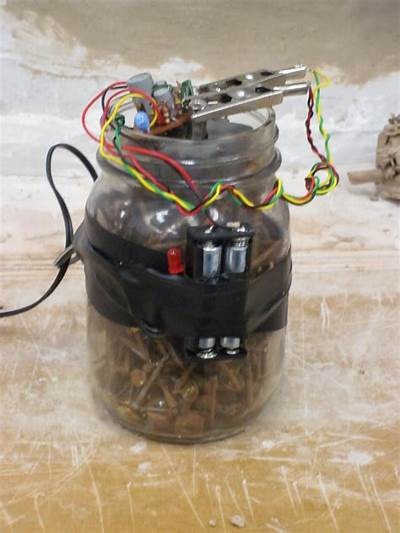
- Rubber Balls: The primary component that provides bounciness.
- Adhesives: To secure components together.
- Decorative materials: Such as paint, glitter, or stickers for personalization.
- Optional materials: Such as balloons or sponge which can modify the bouncing effect.
The ability of an object to bounce is primarily due to its elasticity. When a bouncy bomb hits the ground, the kinetic energy is transformed into potential energy, which is released as it rebounds. The choice of materials will significantly impact how high and how far the bomb bounces. Experimenting with various materials will lead to the discovery of optimal combinations.

Follow these steps to create your custom bouncy bomb:
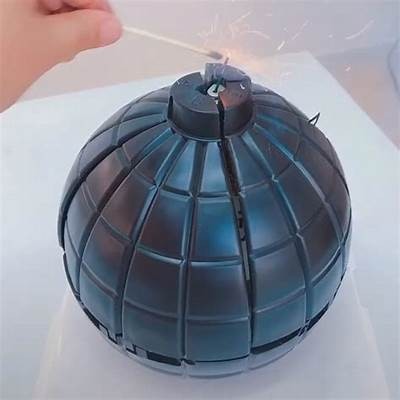
- Choose your base: Select a rubber ball or a similar object as the core.
- Add weight: For enhanced bouncing, consider adding small weights to the core. This can be done by embedding small pebbles or other dense materials.
- Decorate: Use paint or markers to personalize your bomb. Adding layers of decorative materials can also increase its size and bounce.
- Test it out: Drop your creation from different heights to test its bounce. Adjust weight and decoration as necessary.
The hacksaw is an essential tool for various DIY projects, especially those that require cutting through hard materials like metal or plastic. Mastering hacksaw techniques not only enhances precision but also improves safety during the cutting process. Choosing the Right Hacksaw Blade
Different materials require different types of blades. For instance, a fine-toothed blade is perfect for thin metals, while a coarser blade is more suitable for cutting through wood. Understanding the appropriate blade for your project is critical. Techniques for Effective Cutting
Here are some helpful hacksaw techniques:
- Proper Grip: Ensure you have a firm grip on both the hacksaw handle and the material being cut.
- Measuring Twice: Accurate measurements are vital for successful cuts. Mark your cutting line clearly.
- Steady Pressure: Apply steady, consistent pressure while cutting to maintain a straight line.
- Fluid Motion: Use long, fluid strokes to make the cutting process easier and more effective.
Safety is paramount when using sharp tools. Always ensure you’re wearing appropriate safety gear, such as goggles and gloves. Work in a well-lit area to enhance visibility and prevent accidents caused by distractions. Combining Bouncy Bombs and Hacksaw Techniques
Combining the fun of bouncy bombs with the precision of hacksaw techniques can lead to innovative and unique projects. For instance, you can create a multi-functional toy that includes both a bouncy component and intricate cut shapes that contribute to its overall design. Conclusion
The world of DIY projects is expansive and engaging, offering a hands-on approach to learning and creativity. By understanding the science behind bouncy bombs and honing hacksaw techniques, anyone can embrace the spirit of innovation. So gather your materials, harness your creativity, and start experimenting!
Tags
Hots
- Discover Exciting Games and Thrilling Experiences at Willbet Entertainment Online Platform
- Uncover Treasure with Hacksaw Gaming Mines: A Thrilling Adventure
- How to Easily Access Lucky Willbet Slot Login for a Fun Gaming Experience
- Experience the Thrills and Challenges of the Cursed Seas Demo Adventure Game
- Guide to Downloading the WillBet App for iOS Devices: Step-by-Step Instructions and Tips
- Exploring Novo Games: The Ultimate Guide to Innovative Gaming Experiences in 2023
- Exploring the Adventures and Lessons from the Diary of a Wimpy Kid Cheese Touch Book
- Discover No Deposit Real Money Bonuses at Merkur Online Casino Today
- Exploring the Profound Insights and Timeless Wisdom of Athena in Ancient Philosophy
- Experience Real-Time Action with Willbet Soccer Live Updates and Features
FriendLinks
- 1、Access Your BetUS Account: Login Now for Exclusive Benefits!
- 2、The Ancient Wisdom of Athena Revealed: 1000 RTP Ways to Enlightenment
- 3、Explore Exciting Partycasino NJ No Deposit Bonus Offers for New Players
- 4、Download the Interwetten APK for Seamless Betting Experience on Your Mobile Device
- 5、Explore the Exciting World of Hacksaw Gaming Slots in Indonesia for an Unforgettable Gaming Experience
- 6、Explore the Exciting World of WillBet Online Casino for Endless Gaming Opportunities