- willbt
- snow slingers
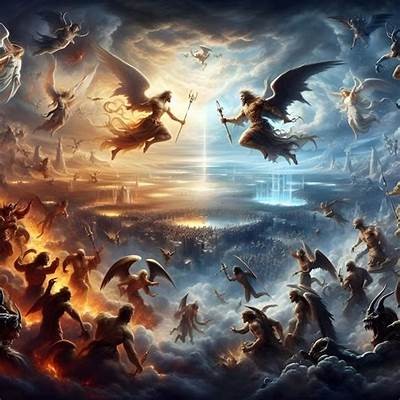
- Exploring the Battle Between Angels and Sinners: A Deep Dive into Good and Evil
Exploring the Battle Between Angels and Sinners: A Deep Dive into Good and Evil
Published:2025-11-24Edit:OrisVies(3410)
Exploring the Battle Between Angels and Sinners: A Deep Dive into Good and Evil
Introduction
The concept of good and evil has pervaded human thought for millennia, shaping our philosophies, religions, and cultural narratives. This exploration aims to dissect the intricate dynamics of the battle between angels and sinners, examining moral landscapes that define human behavior and societal values.
The Historical Context of Good and Evil
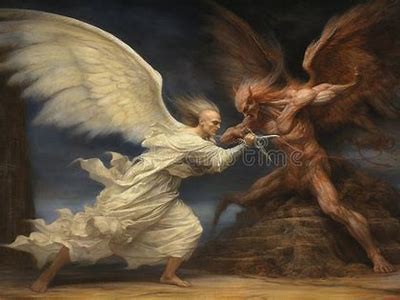
Throughout history, various civilizations have grappled with their understanding of good and evil. From ancient mythologies to modern religious doctrines, each culture has crafted narratives that reflect their moral frameworks. The Greeks conceived dualism in their myths, where gods and monsters embodied the eternal struggle between virtue and vice.
Religious Perspectives on Good and Evil
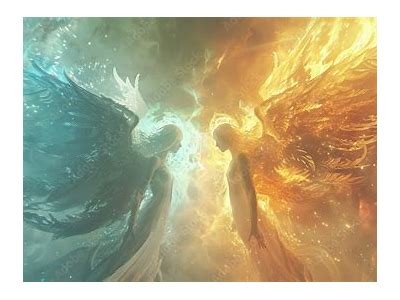
Religions have played a pivotal role in characterizing good and evil. In Christianity, angels symbolize purity and divine will, while sinners embody rebellion against God. This dualism not only influences moral ethics but also informs believers’ actions and choices. Similarly, Eastern religions such as Buddhism and Hinduism perceive the balance of good and evil through karma and dharma, emphasizing the continuum rather than odd isolation.
Philosophical Interpretations
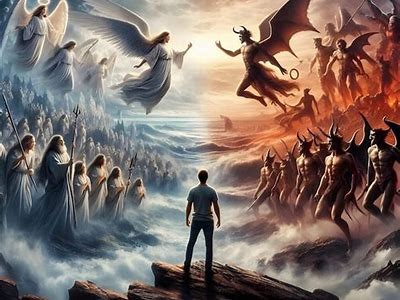
Philosophers have also contributed to our understanding of good and evil. What is inherently good? Is evil merely the absence of good, as posited by St. Augustine? Or does it manifest as a separate force? Modern philosophers like Immanuel Kant argued that moral actions arise from rationality, implying that good is intrinsic to human reasoning. Such discussions enhance our perception of moral dilemmas faced in everyday life.
Cultural Representations of Angels and Sinners
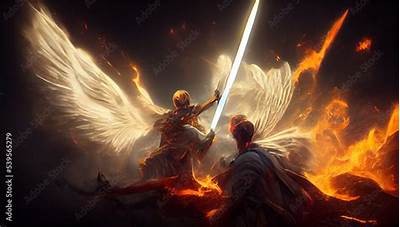
Literature, art, and film have long depicted angels and sinners in contrasting lights, reinforcing societal views on morality. In John Milton's "Paradise Lost," angels are portrayed with noble ideals, while Satan, though charismatic, represents the corruptible nature of ambition. Such narratives compel society to question their moral compass and the consequences of their choices.
Psychology Behind Good and Evil
The battle between good and evil is not solely a philosophical or theological discourse; it is deeply embedded in the human psyche. Psychological theories such as Freud's id, ego, and superego illustrate the internal conflicts individuals experience. The id might drive one to pursue personal gratification, potentially leading to evil acts, while the superego upholds societal norms and moral law. This interplay exemplifies the constant tug-of-war between our baser instincts and higher moral aspirations.
The Sociopolitical Landscape of Morality
Good and evil also function within a sociopolitical framework. The definition of what is ‘good’ often varies across different societies, influenced by economic, social, and political factors. Social movements often frame their causes in terms of morality, positioning themselves as champions of good against the perceived evils of oppression or injustice.
The Role of Media in Shaping Moral Perspectives
In the contemporary world, media plays a significant role in shaping perceptions of good and evil. From news stories that highlight heroic acts to crime dramas that explore the mind of a villain, media narratives influence public discourse about morality. The polarization in media representation can further entrench societal divisions, depicting groups as either wholly good or irredeemably evil.
Case Studies: Angels and Sinners in Real Life
Examining real-life scenarios sheds light on the complexities of morality. Instances of altruism amidst adversity often juxtapose starkly with heinous acts of cruelty, challenging simplistic notions of good and evil. Individuals like Mother Teresa embody angelic qualities, while notorious figures like Adolf Hitler exemplify the depths of human depravity.
The Future of Morality
As society evolves, so does the understanding of good and evil. Globalization and technological advancements have shifted moral conversations, prompting fresh discussions around ethics. Consider the ethical implications of artificial intelligence: can machines possess morality? This question underlines the need for continuous reflection on the nature of good and evil in an ever-changing world.
Conclusion
The battle between angels and sinners, or good and evil, is a profound aspect of the human experience. As we continue to explore these themes through various lenses—historical, religious, philosophical, psychological, and sociopolitical—we reveal the complexities of our moral universe. Understanding this dynamic not only enriches our comprehension of humanity but also guides our collective journey towards a more compassionate and just society. ```
Tags
Hots
- Discover Exciting Games and Thrilling Experiences at Willbet Entertainment Online Platform
- Uncover Treasure with Hacksaw Gaming Mines: A Thrilling Adventure
- How to Easily Access Lucky Willbet Slot Login for a Fun Gaming Experience
- Experience the Thrills and Challenges of the Cursed Seas Demo Adventure Game
- Guide to Downloading the WillBet App for iOS Devices: Step-by-Step Instructions and Tips
- Exploring Novo Games: The Ultimate Guide to Innovative Gaming Experiences in 2023
- Exploring the Adventures and Lessons from the Diary of a Wimpy Kid Cheese Touch Book
- Discover No Deposit Real Money Bonuses at Merkur Online Casino Today
- Exploring the Profound Insights and Timeless Wisdom of Athena in Ancient Philosophy
- Experience Real-Time Action with Willbet Soccer Live Updates and Features
FriendLinks
- 1、Play: Exploring the Impact of Interactive Gaming on Cognitive Development and Social Skills in Children
- 2、Unlock Your Exclusive Interwetten 200 Bonus Today and Enhance Your Betting Experience
- 3、How to Easily Register Your Willbet Account with a Unique Number for Online Betting
- 4、Comprehensive Ignition Casino Review: Features, Bonuses, and Player Experience Insights
- 5、Casumo Bonus Codes: Unlock Exciting Promotions and Offers for New Players
- 6、How to Create a Willbet Account and Obtain Your Registration Number Easily